
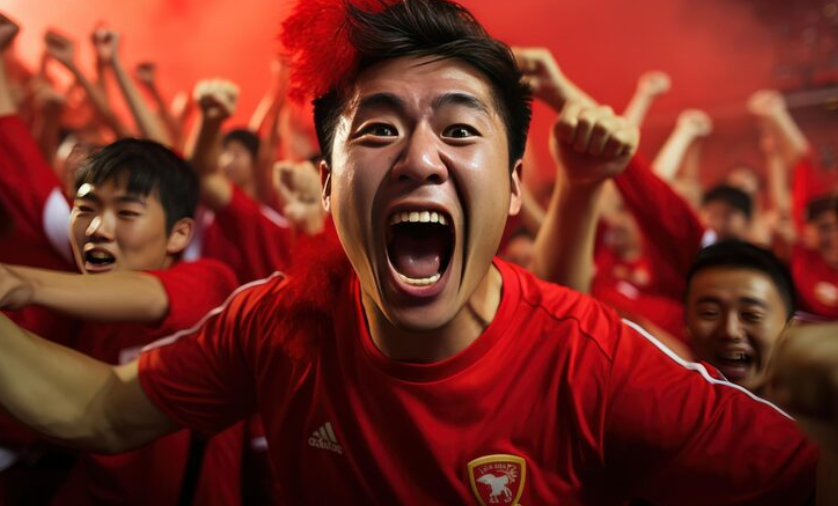
Liga 1 Indonesia is gaining strength due to several key developments that are all occurring at once. The clubs have increased commercial backing; broadcasting has reached a larger audience; and stadium standards in general are increasing. While supporter culture continues to give Liga 1 a distinctively local flavor, it will be challenged by the growing need for professionalism. This is how these elements are influencing Indonesian football and what shape they will take into the future.
Why Liga 1 Indonesia Is Becoming Stronger
Indonesia’s higher investment in its top teams has led to greater opportunities to enhance their team and overall football-related operations. Clubs such as Persib Bandung, Bali United, Persija Jakarta and Borneo FC Samarinda attract large amounts of commercial revenue. The growing interest around major matches also reaches casino audiences, where Plinko gacor can become part of the entertainment around football. Online casinos give users quick mobile access to games, allowing them to switch between match coverage and other entertainment easily. The sponsorship money that is being brought into Indonesian clubs is allowing them to attract larger numbers of experienced players, coaches, and other specialist staff. Also, larger foreign player quotas have added to the level of competition for starting positions in every position across the country’s first division.
The technical aspects of the game have developed along with spending, rather than remaining a lower priority. Coaches from overseas have introduced many new methods of training, including pressuring opponents, conditioning programs, and more structured match preparation. The adoption of VAR and improvement of the playing surface provide an even better opportunity for a more professional Liga 1 competition. As a result of these developments, there are increasing levels of expectation by both players and officials within the sport.
The Main Forces Driving League Growth
No single investment or reform explains the progress seen across Liga Indonesia. Its expansion depends on several connected areas developing at roughly the same time. Four factors have become particularly important:
These improvements matter most when clubs can maintain them across several seasons. Stable development would give football Indonesia stronger foundations beyond individual teams or successful campaigns.
How Clubs and Supporters Are Changing Liga Indonesia
Growth becomes easier to understand by looking beyond league tables and transfer spending. Clubs are professionalizing their operations while supporters continue shaping matchdays and online discussion. This growing online activity also increases interest in sports betting, with bet Indonesia connecting fans to markets around domestic matches. Sports betting gives supporters another way to follow teams, compare odds, and stay involved throughout the season. Those two forces give the competition both commercial potential and a strong local identity.
Bigger Clubs Are Investing Beyond Their Starting XI
Leading teams increasingly spend on areas that influence performance throughout an entire season. Recruitment now includes foreign players, experienced managers, analysts, and specialist coaching staff. Persib Bandung and Persija Jakarta have the commercial reach to support ambitious football projects. Bali United has also developed a recognizable model built around professional club management.
The expanded international-player allowance creates another challenge for domestic squads. Clubs can register up to 11 foreign players, increasing competition across several positions. Local footballers, therefore, train and compete alongside players with experience from different systems. Fans following this competition online may also explore casino entertainment through slot demo games between matches. Demo casino games let users learn the rules and features without spending real money. The challenge is protecting meaningful minutes for Indonesian talent while improving overall quality.
Supporter Culture Gives the League Its Commercial Power
Indonesian football has supporter communities that remain closely connected with individual clubs. Persib’s Bobotoh and Persija’s The Jakmania give major fixtures enormous attention. Persebaya Surabaya’s Bonek provide another example of organized support built across generations. Their involvement extends from stadium attendance into merchandise, online content, and club discussion.
That engagement gives broadcasters and sponsors an audience with strong weekly interest. Digital platforms are especially valuable because Indonesia stretches across thousands of inhabited islands. Fans can follow matches even when attending a stadium is unrealistic. Wider access, therefore, turns local loyalty into national reach without weakening club identities.
How Liga 1 Compares With Southeast Asia’s Leading Leagues
Liga 1 Indonesia already competes within a strong Southeast Asian football market. Its estimated overall squad value places it among ASEAN’s larger domestic competitions. Thai League 1 remains a major regional benchmark for valuation and continental performance. Indonesia, however, combines commercial scale with particularly large supporter and digital audiences.
Competitive balance also gives the domestic championship an important advantage. Multiple Indonesian clubs can enter seasons with realistic ambitions near the top. Malaysia’s competition has often featured stronger dominance from leading sides, while Vietnam offers substantial local parity. Indonesia’s next test is converting domestic strength into deeper AFC competition runs.
What Must Happen for Growth to Continue
The subsequent stage will be based upon a stronger base as opposed to merely investing in an increased amount of money. Regular senior minutes for academy graduates are essential with regard to the club’s ability to utilize multiple foreign player registrations. Teams should also have licensing and financial regulations that ensure they operate within sustainable operational models. Then, consistent results by the AFC will provide Liga 1 Indonesia with additional credibility beyond their home market.

Brytharok Kynal specializes in analyzing emerging tech trends and their societal impact, with a particular focus on artificial intelligence and digital transformation. His incisive writing style combines deep technical understanding with accessible explanations that help readers navigate complex innovations.
Known for taking abstract concepts and grounding them in practical, real-world applications, Brytharok brings a balanced perspective to discussions about technology’s role in shaping our future. When not writing, he explores creative applications of new technologies and follows developments in computational creativity.
His articles bridge the gap between cutting-edge developments and everyday implications, helping readers stay informed about transformative technologies shaping our world.