
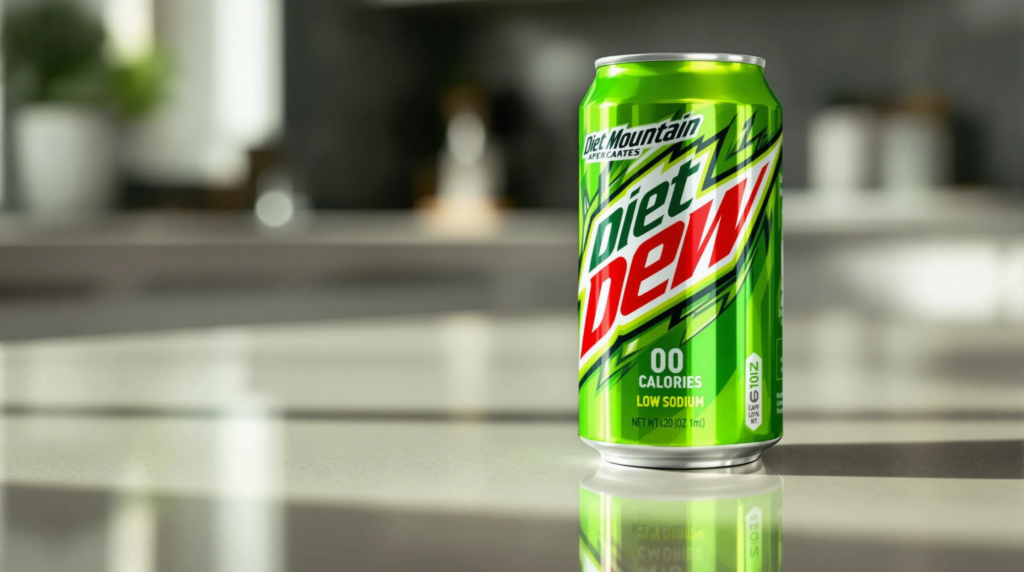
Diet Mountain Dew Nutrition Label: What You Need to Know
We all have that friend who swears that Diet Mountain Dew is the secret to their productivity and zest for life. I mean, how can something with the word “diet” in it be bad, right? But before we sip away on this neon-green elixir, let’s jump into what exactly lurks within the Diet Mountain Dew nutrition label. Spoiler alert: you might just be surprised.
Overview of Diet Mountain Dew
Diet Mountain Dew is like the brainchild of energy and flavor, bringing together the zest of citrus in a low-calorie format. Born in the 1960s, it quickly became a staple for those wanting the refreshing taste of dew without the accompanying sugar crash. We often reach for it during long road trips or late-night study sessions, but what do we really know about its composition?
Nutritional Information
Peering at the Diet Mountain Dew nutrition label, we see that each 12-ounce can contains 0 calories, which sounds almost too good to be true. But wait. It also offers a surprisingly low amount of sodium, about 65mg. The carbonated beverage is sweetened with aspartame and ace-k, making it a flavor dynamo with virtually no caloric baggage. Just remember, while we can enjoy the lack of calories, it’s essential not to fall into the trap of thinking that zero calories means it’s devoid of effects on our bodies.
Ingredients in Diet Mountain Dew
So, what’s in this vibrant drink? We find a mix of carbonated water, citric acid, caffeine, aspartame, and natural flavors. The caffeine content is about 54mg per can, giving us that much-needed boost when we’re feeling a bit sluggish. Each of these ingredients plays its part to create that signature tangy kick we all love. But, as we reach for our cans enthusiastically, it’s good to remember that not every ingredient is a hero. Let’s not forget that some people may react negatively to artificial sweeteners.
Health Considerations
Here’s where things get a bit tricky. While we can enjoy the benefits of zero calories, we must consider the long-term effects. Some studies suggest a link between artificial sweeteners and metabolic issues, although the research is still far from conclusive. Besides, the caffeine can be a double-edged sword, while it can keep us alert, too much may lead to jitters or sleep disturbances. Let’s not forget to incorporate variety into our beverage choices. Even if we get excited for that zing of Diet Mountain Dew, moderation is key.
Alternatives to Diet Mountain Dew
If we ever feel like switching up our drink game, there are numerous alternatives out there. Have you tried flavored sparkling water? It offers that bubbly excitement with natural flavors and no artificial sweeteners. We could also explore herbal teas or even lower-calorie sodas that skip the controversial ingredients. The world of refreshing drinks is vast, and while Diet Mountain Dew has its charm, it never hurts to look elsewhere.

Brytharok Kynal specializes in analyzing emerging tech trends and their societal impact, with a particular focus on artificial intelligence and digital transformation. His incisive writing style combines deep technical understanding with accessible explanations that help readers navigate complex innovations.
Known for taking abstract concepts and grounding them in practical, real-world applications, Brytharok brings a balanced perspective to discussions about technology’s role in shaping our future. When not writing, he explores creative applications of new technologies and follows developments in computational creativity.
His articles bridge the gap between cutting-edge developments and everyday implications, helping readers stay informed about transformative technologies shaping our world.